Where conservation & creativity meet
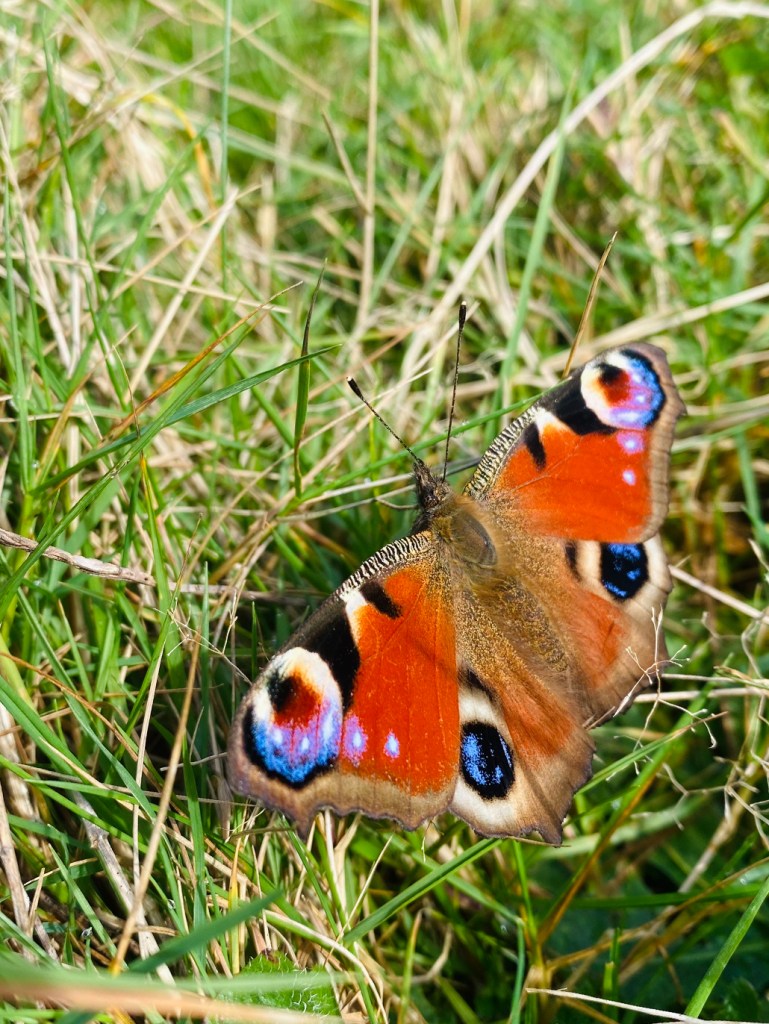
Flutter House is a slow-growing creative project shaped by close attention to the lives of British butterflies, moths and pollinators and the plants and places that support them. It’s about noticing small wings, short lives, and the quiet patterns that repeat each year.
✺
Watching the seasons unfold
British butterflies, moths and other bugs live in annual rhythm. Their lives are shaped by light, temperature, and timing. Eggs are laid as leaves emerge, larvae feed through spring and summer, and adults appear stunning but at times all too briefly before the cycle begins again. We pay attention to these seasonal patterns and what they reveal about the beautiful places we share with these wonderful creatures.
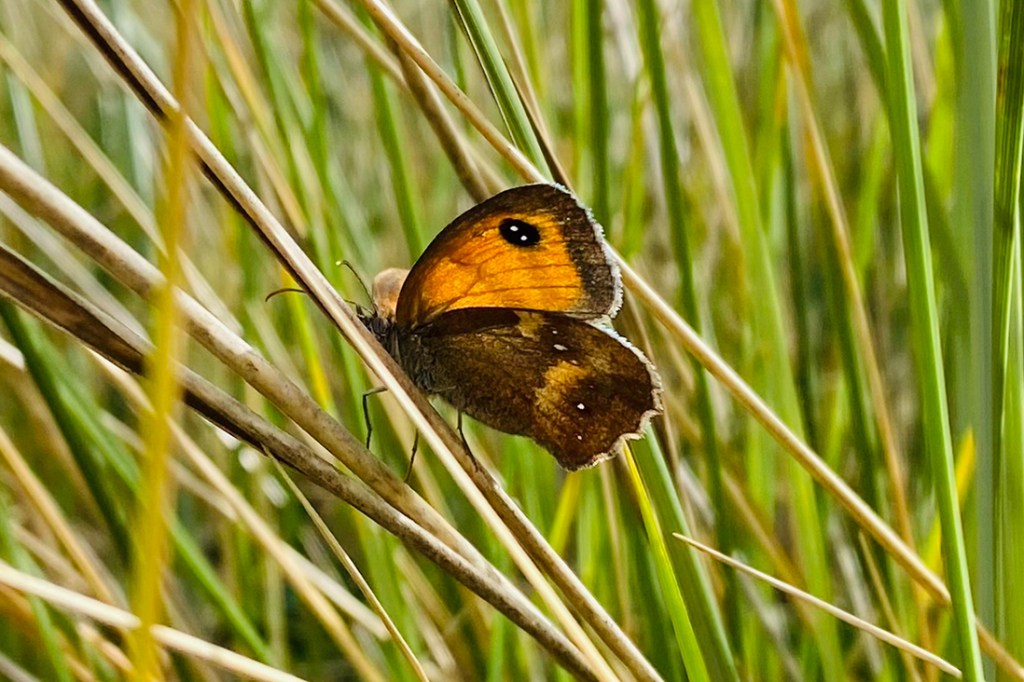
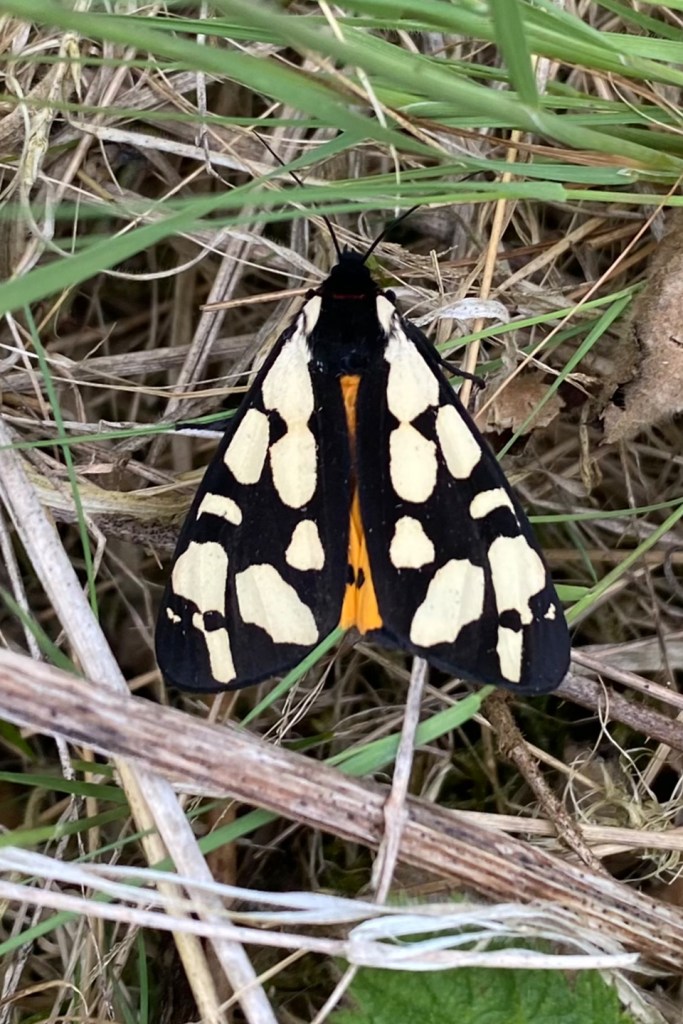
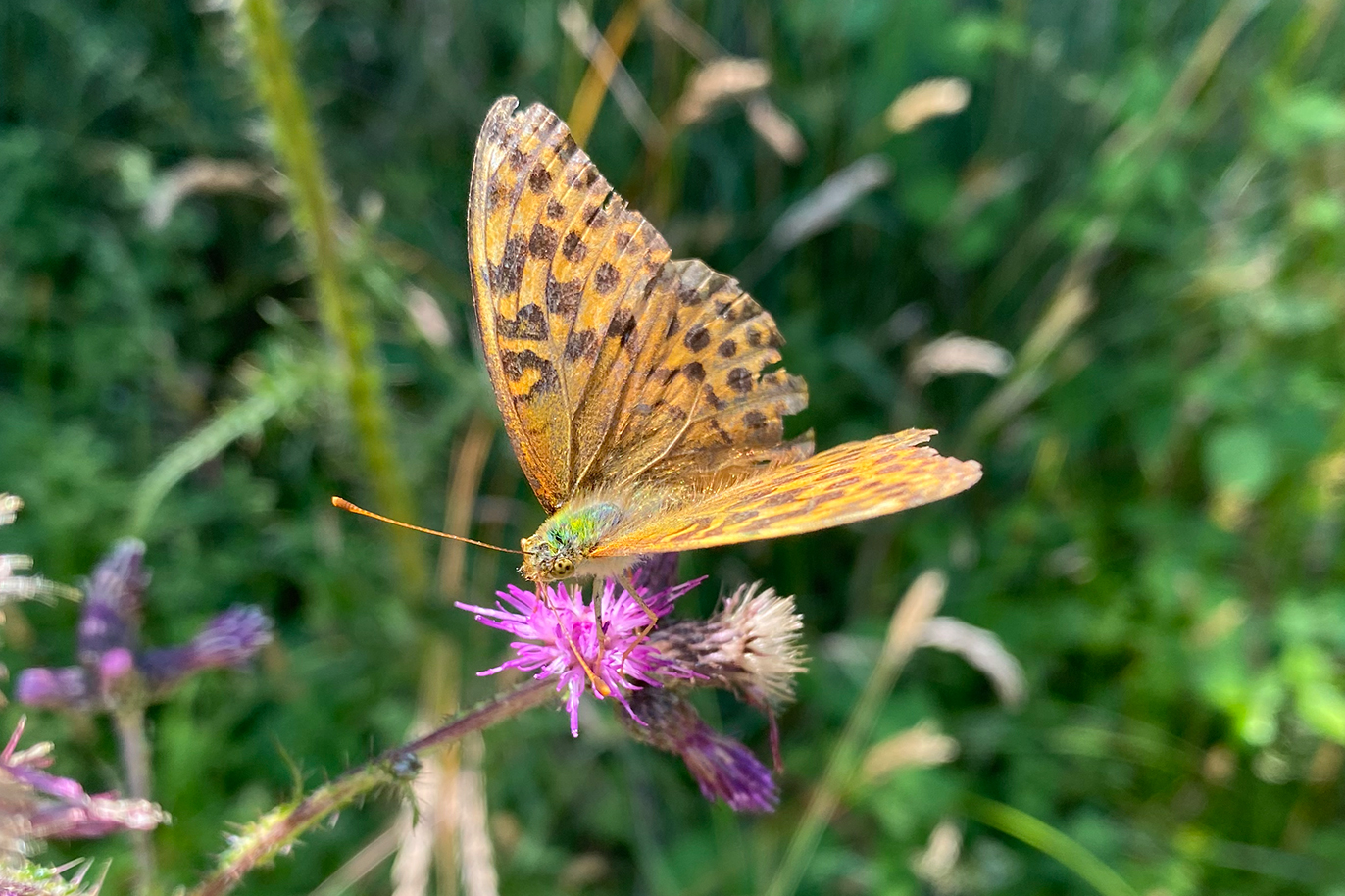
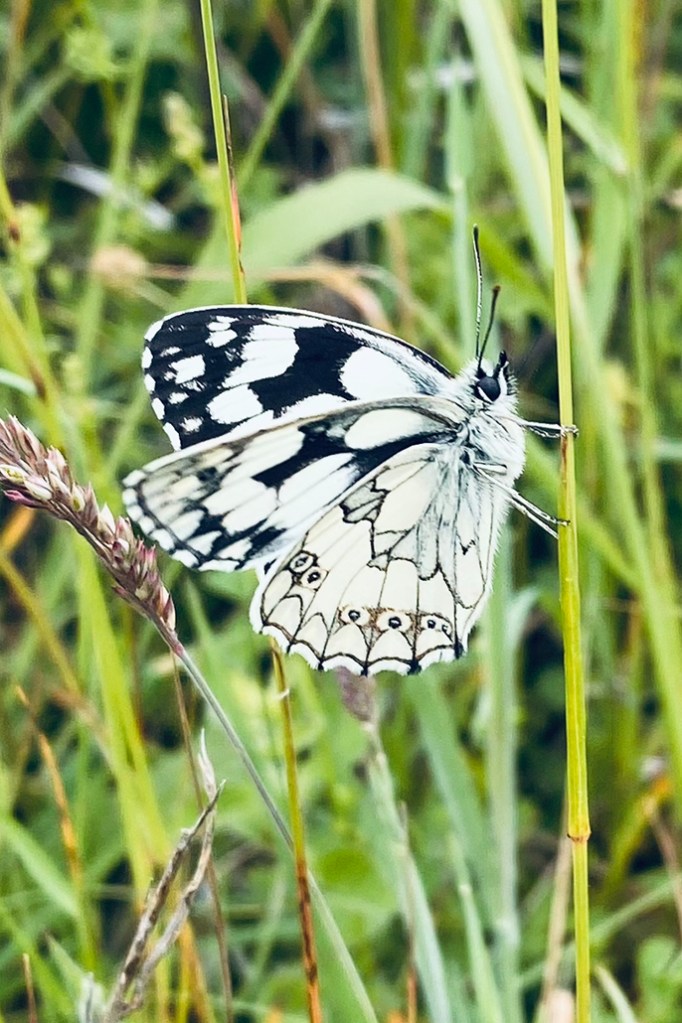
WHAT DO YOU NOTICE?
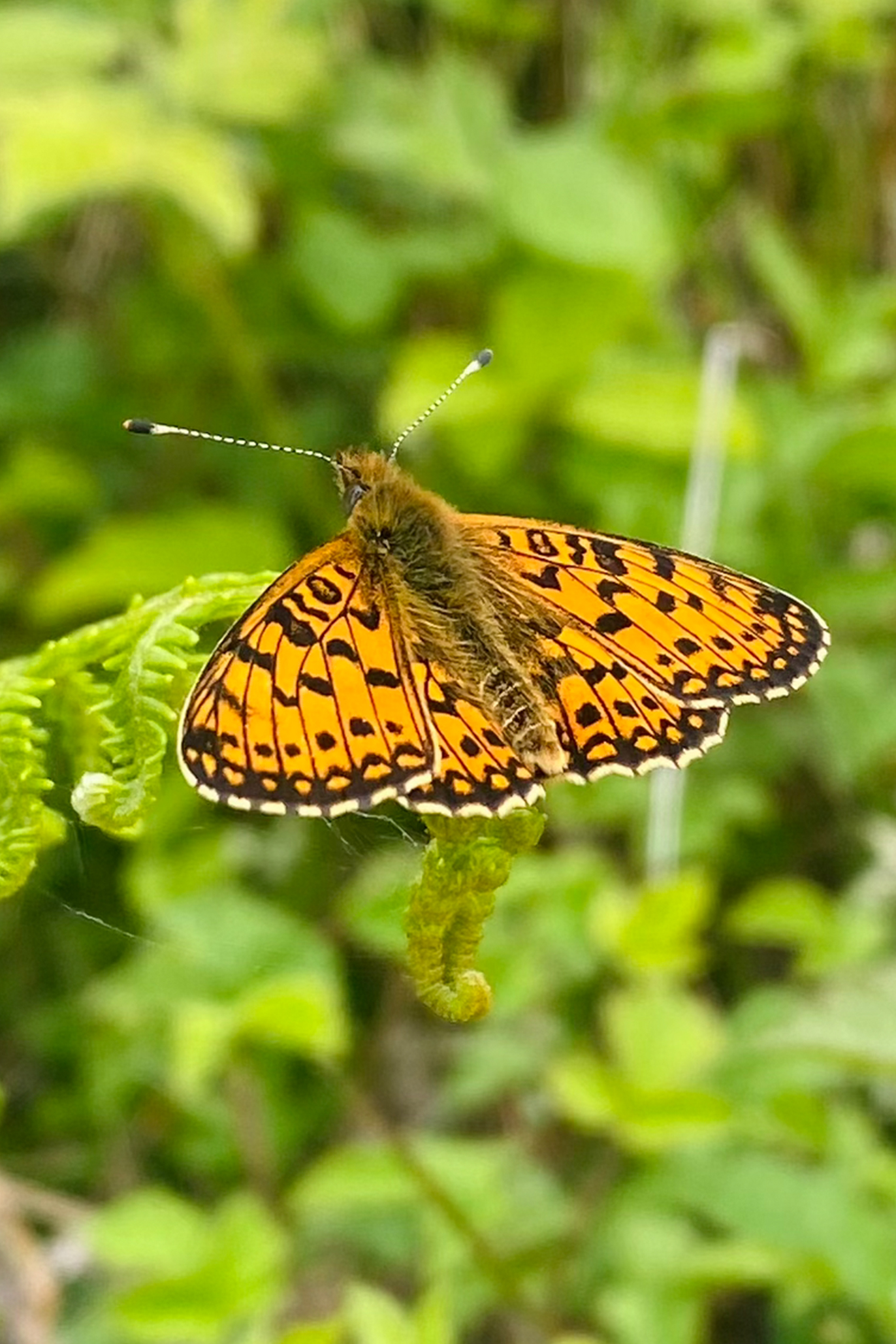
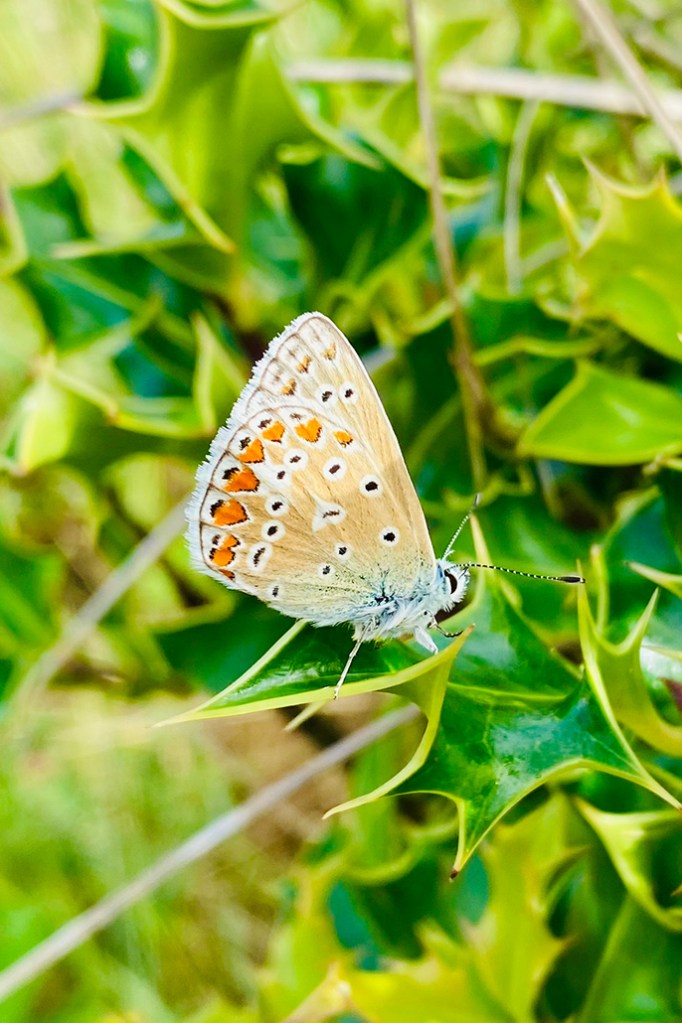
Plants, places, and relationships
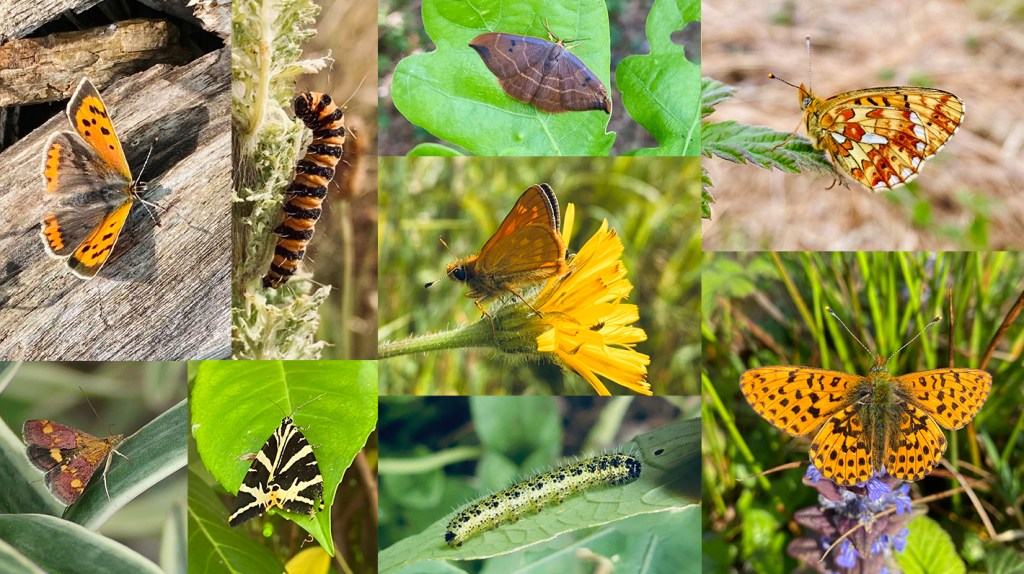
Each species depends on particular plants, not just for nectar, but for survival at every stage of life. Caterpillars often rely on a single host plant, while adults can move through a wider landscape of flowers, hedgerows, and habitat. These relationships are nuanced and fragile, with a kind of magic that’s easy to overlook.
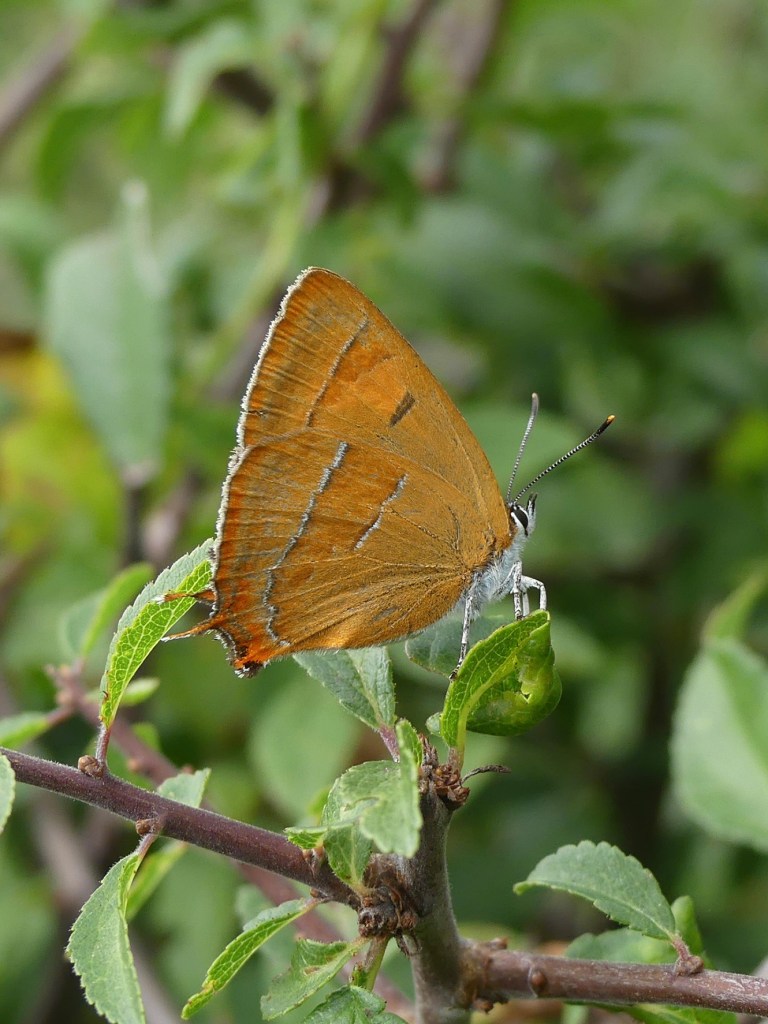
Small lives, close up
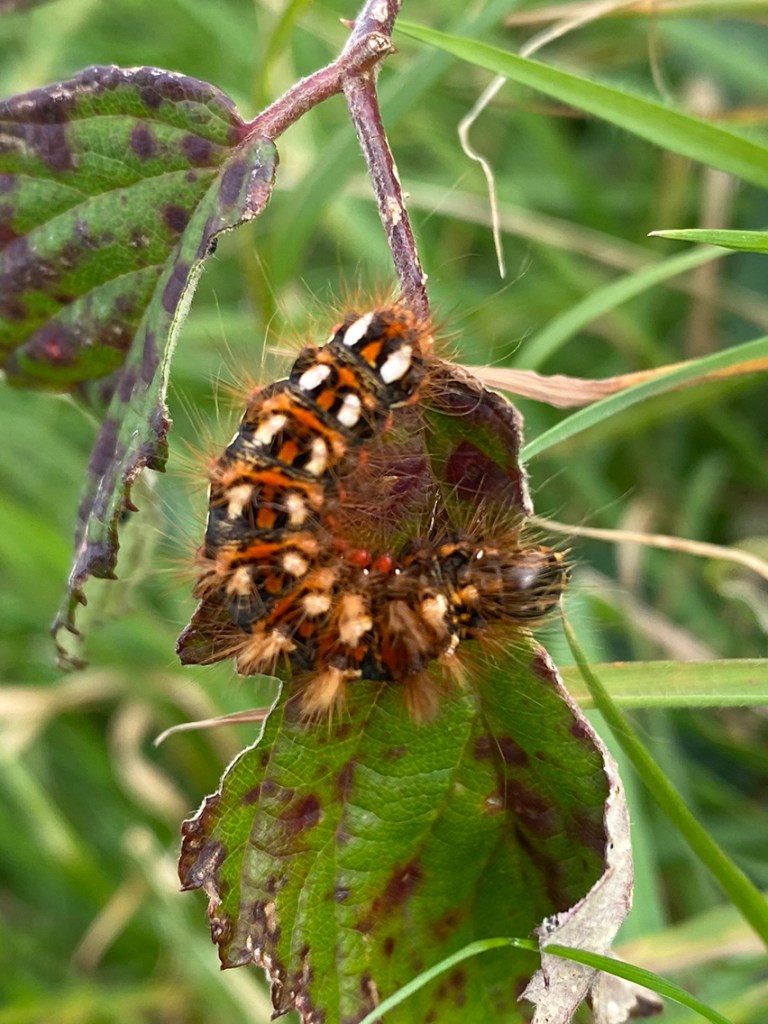
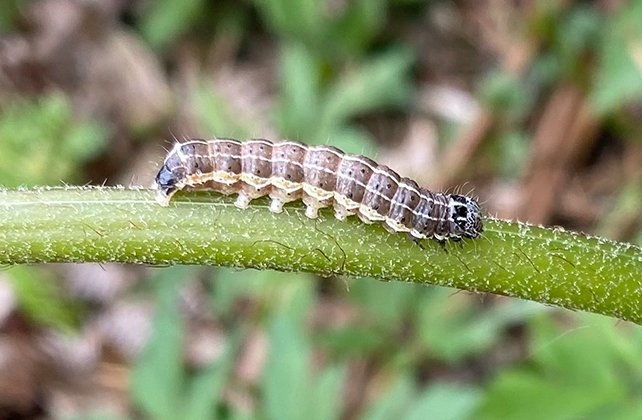
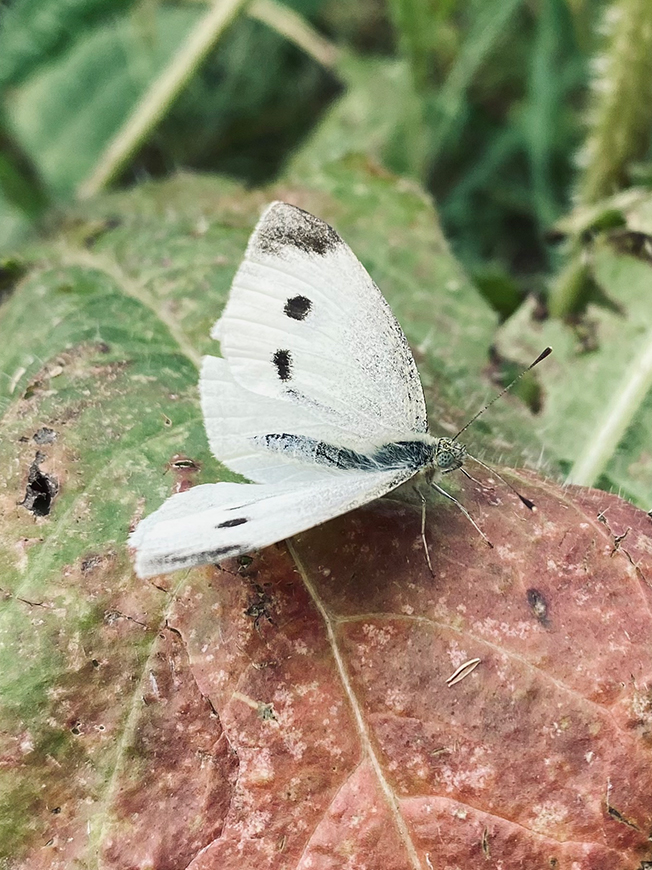
Through rearing, observing, drawing, and photographing, Flutter House explores butterfly life cycles in close detail – from egg to adult. Spending time with these small lives makes visible how much care, patience and the right conditions are required for something so perfect to exist at all.
✺
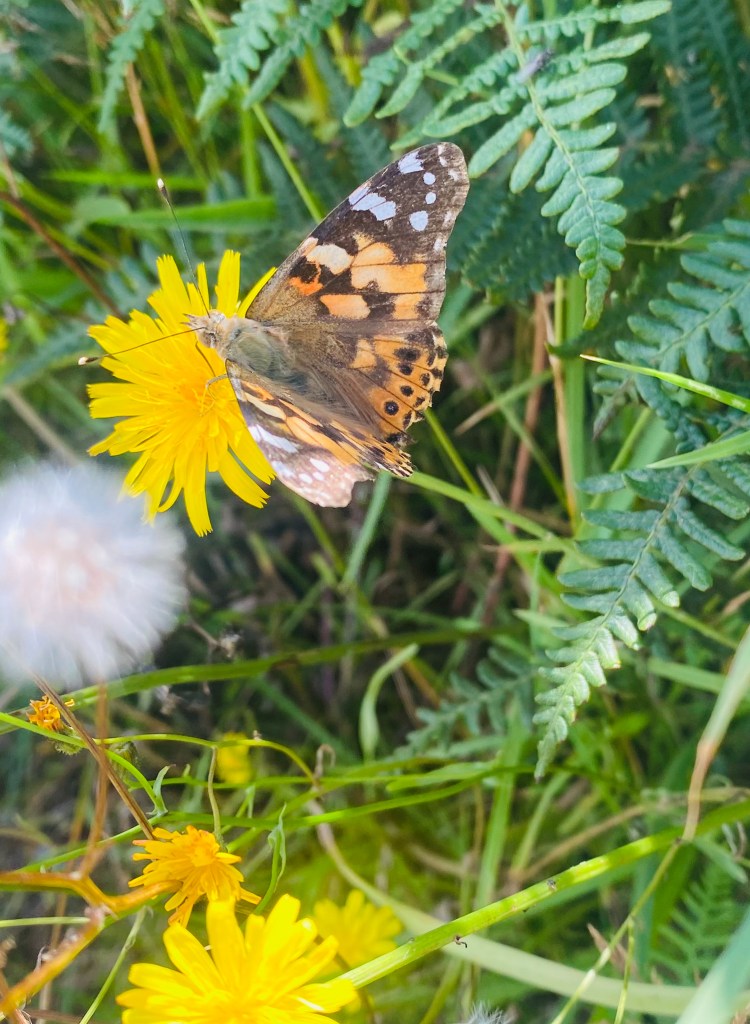
Embracing untidiness
Many butterflies rely on places that are often tidied away: long grass, nettles, hedgerows, margins and edges. Flutter House is interested in these overlooked habitats, and in what happens when we allow a little more space for things to grow in their own way.
~
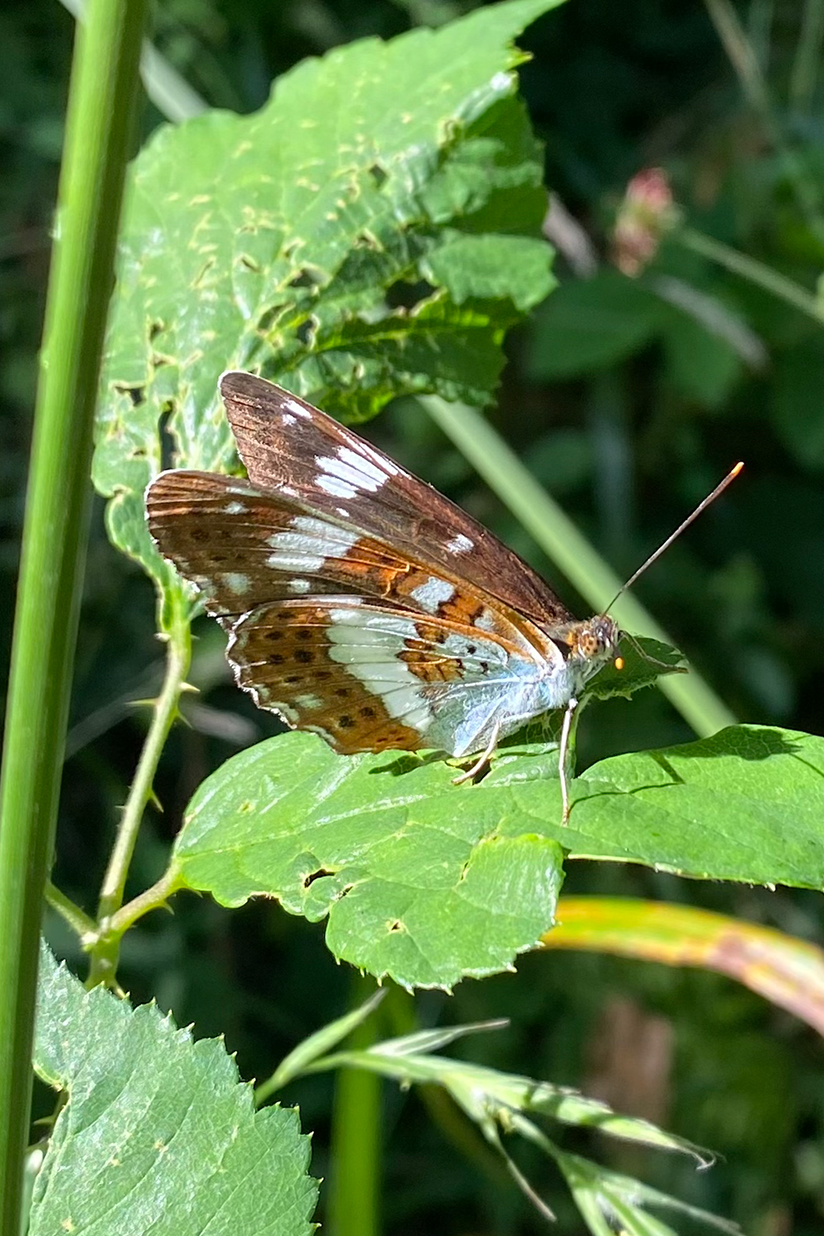
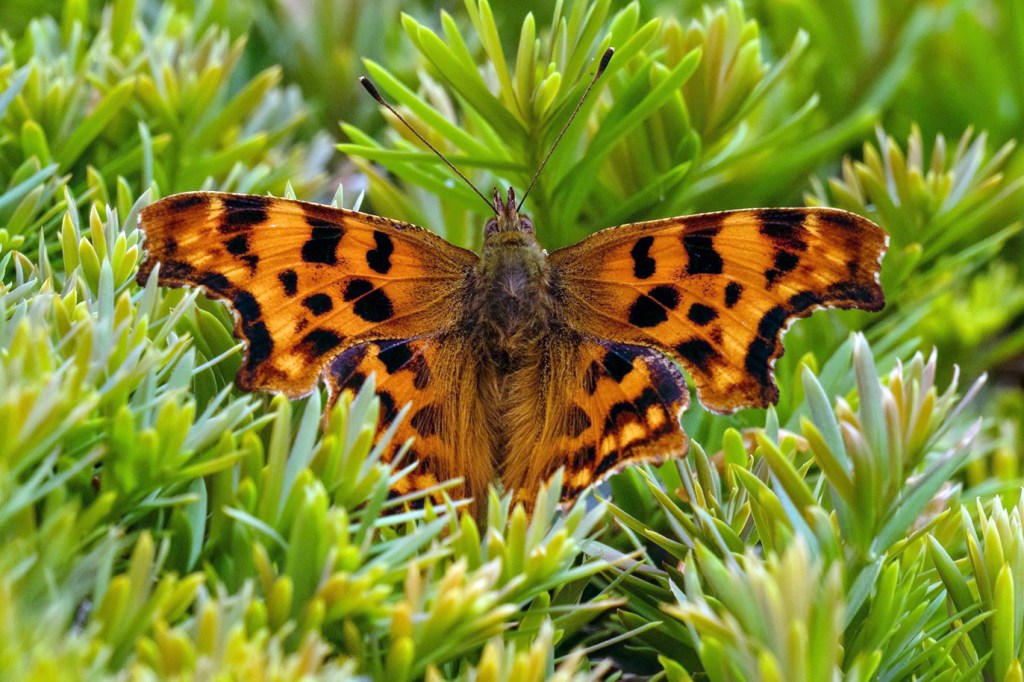
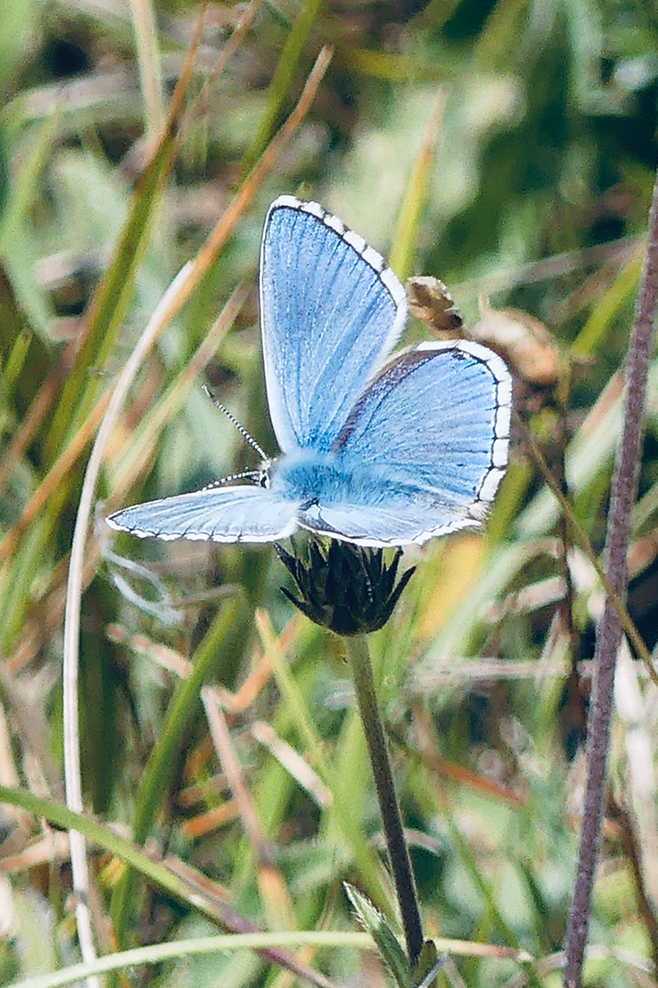
A practice of attention
Flutter House isn’t in a hurry to arrive anywhere. It’s a practice of paying attention – to cycles, to change, and to how creativity can sit alongside care for the living world. What it becomes over time is still unfolding : )
 Flutter House